Perishable and regulated
Traceable from receiving dock to delivery truck
Ahearn & Soper builds the coding, labelling and scanning infrastructure that keeps Canadian food and beverage operations traceable: date and lot coding at the line, labels that hold on cold and damp packaging, and ProVision WMS holding the record. One team specifies, integrates, trains and services all of it, so a recall question has one answer.
Où l'argent se perd
Most food and beverage plants lose the same money in the same few places. Each one starts as a gap between what the line actually ran and what the record says it ran, and each one is most expensive after the product has left the building.
- Lot codes keyed in at the end of a run rather than captured as the line runs
- Labels that lift off chilled or condensing packaging somewhere between the cold room and the trailer
- Date codes printed legibly but never verified, so the first real check is a customer complaint
- Recall scope that widens because no record ties a finished pallet back to the batch that made it
- Retail chargebacks for barcode grades that passed on your scanner and failed on the grocer's verifier
Comment nous y répondons
Ahearn & Soper specifies, integrates, trains and services the whole chain: the coder at the line, the colour label printed on demand, the check that proves the code is readable, ProVision WMS holding the record, and the scanner that survives the cold room. Five parts, one team accountable.
Thermal transfer coding at the line
A lot and date code has to stay legible after condensation, handling and cold storage, which a wax ribbon on the wrong stock will not do. Thermal transfer with the correct ribbon pairing is what survives to the point somebody has to read it.
Colour label printing on demand
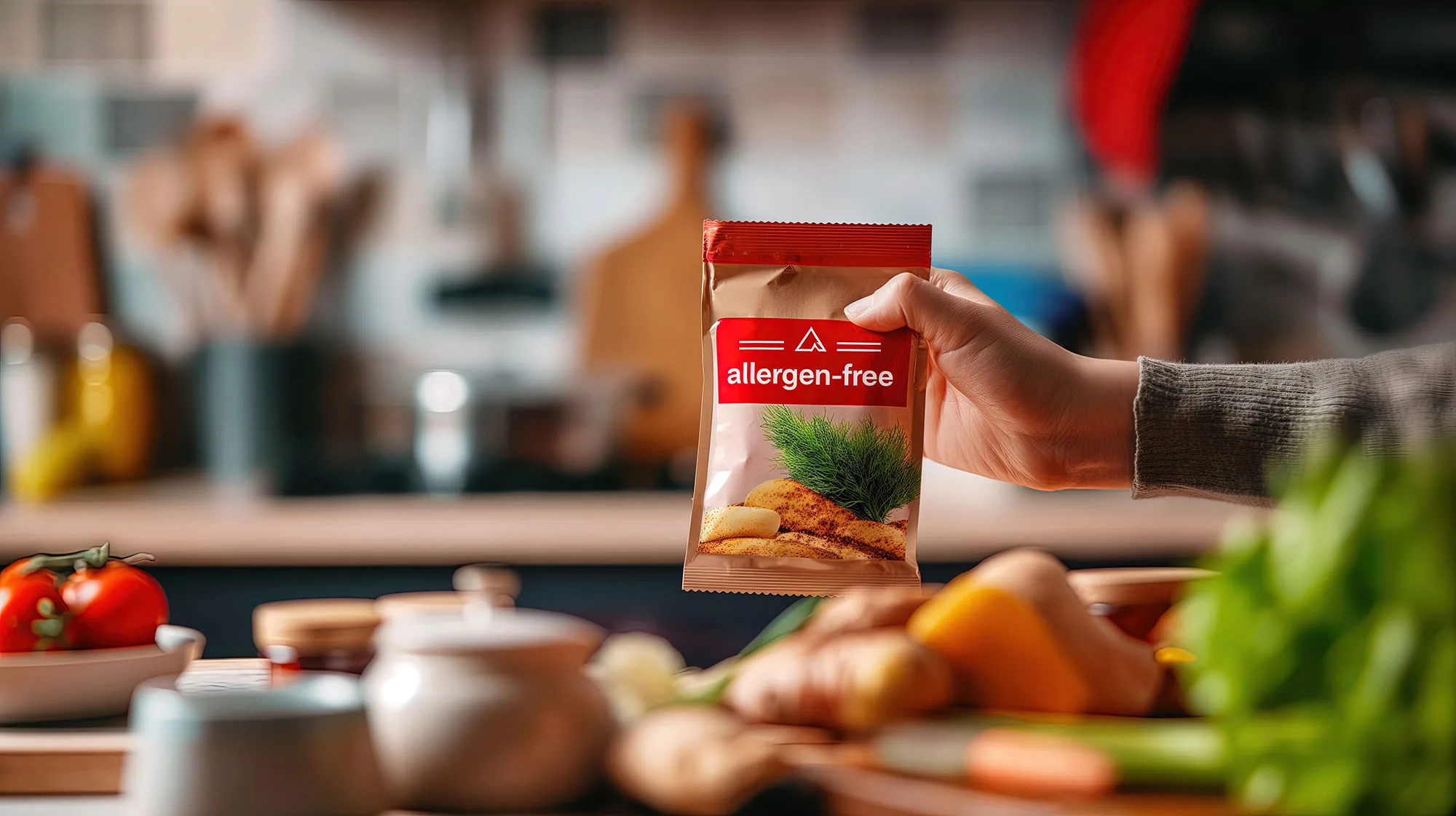
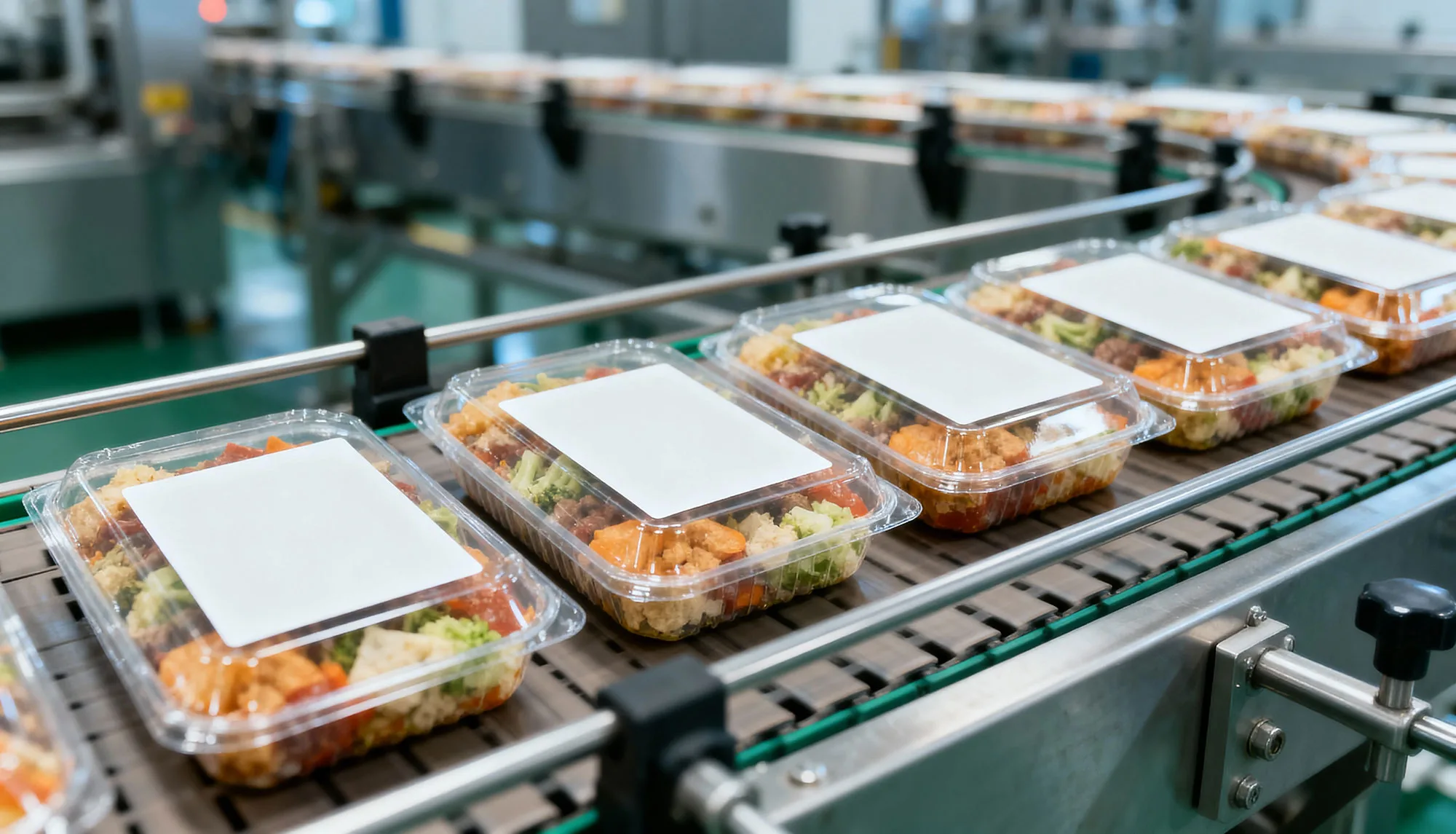
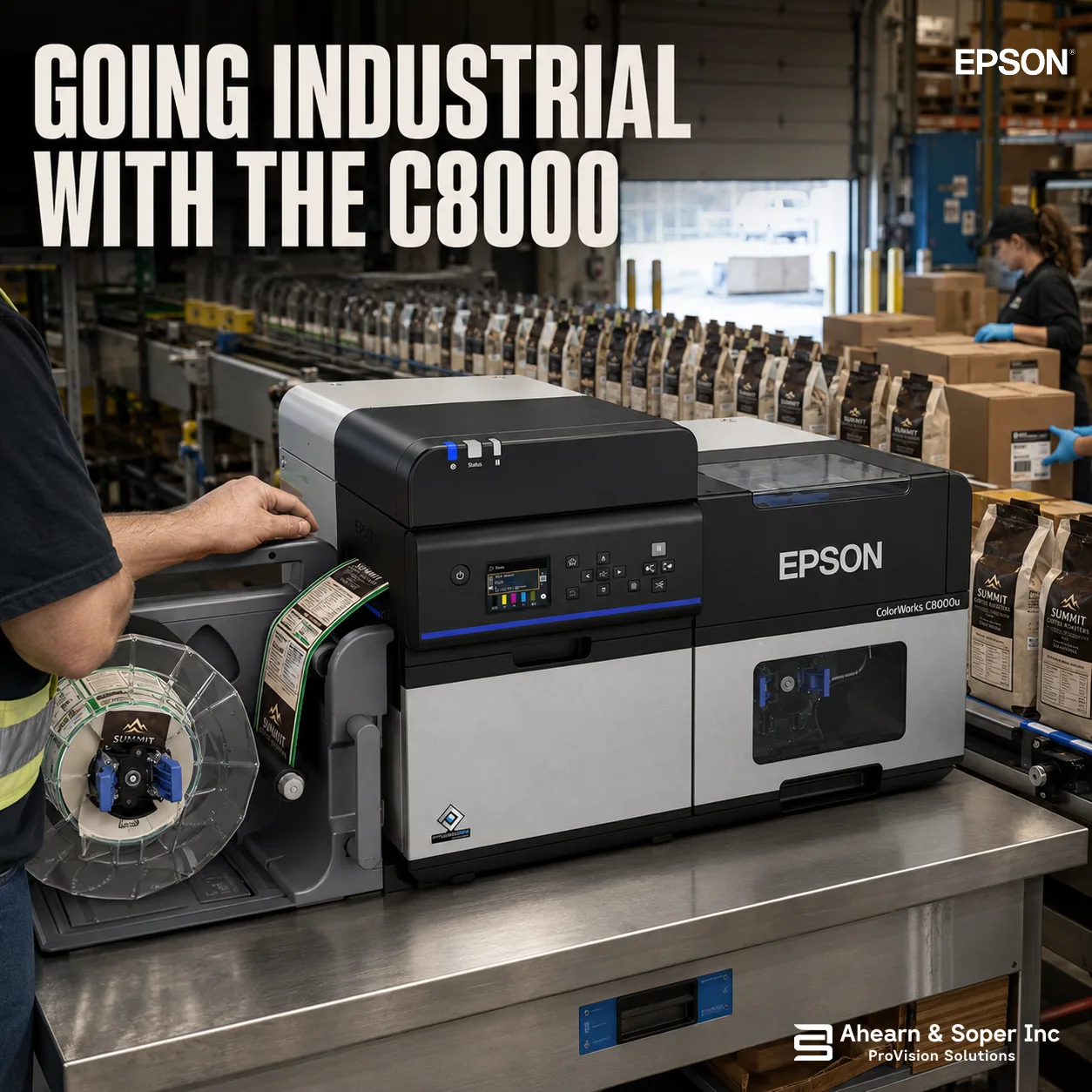
Pre-printed stock commits you to artwork and a minimum order months before you know what you will run. Printing colour on demand puts the artwork, the allergen panel and the variable data down in one pass, so a recipe change does not strand a pallet of labels.
Verification before the pallet moves
A barcode that scans on the line can still fail a grocer's verifier, because a scanner reports readable and a verifier reports a grade. Checking the grade at the point of application is what stops a chargeback arriving three weeks later.
ProVision WMS
The record that ties a finished pallet back to the batch that made it is what turns a recall from a guess into a query. ProVision WMS holds goods-in, production, storage and dispatch in one place rather than across three spreadsheets.
Scanning that survives the cold room
A general purpose handheld fogs, freezes and eventually fails when it moves between an ambient pack hall and a freezer several times a shift. Devices rated for that swing cost more once and stop costing more after that.
Les produits adaptés à ce travail
These are the printers and mobile computers we put into Canadian food and beverage operations most often. Each is chosen for the job it does on a production line, a dispatch desk or in the cold room rather than for its spec sheet, and each is supported by the same team that supplies it.
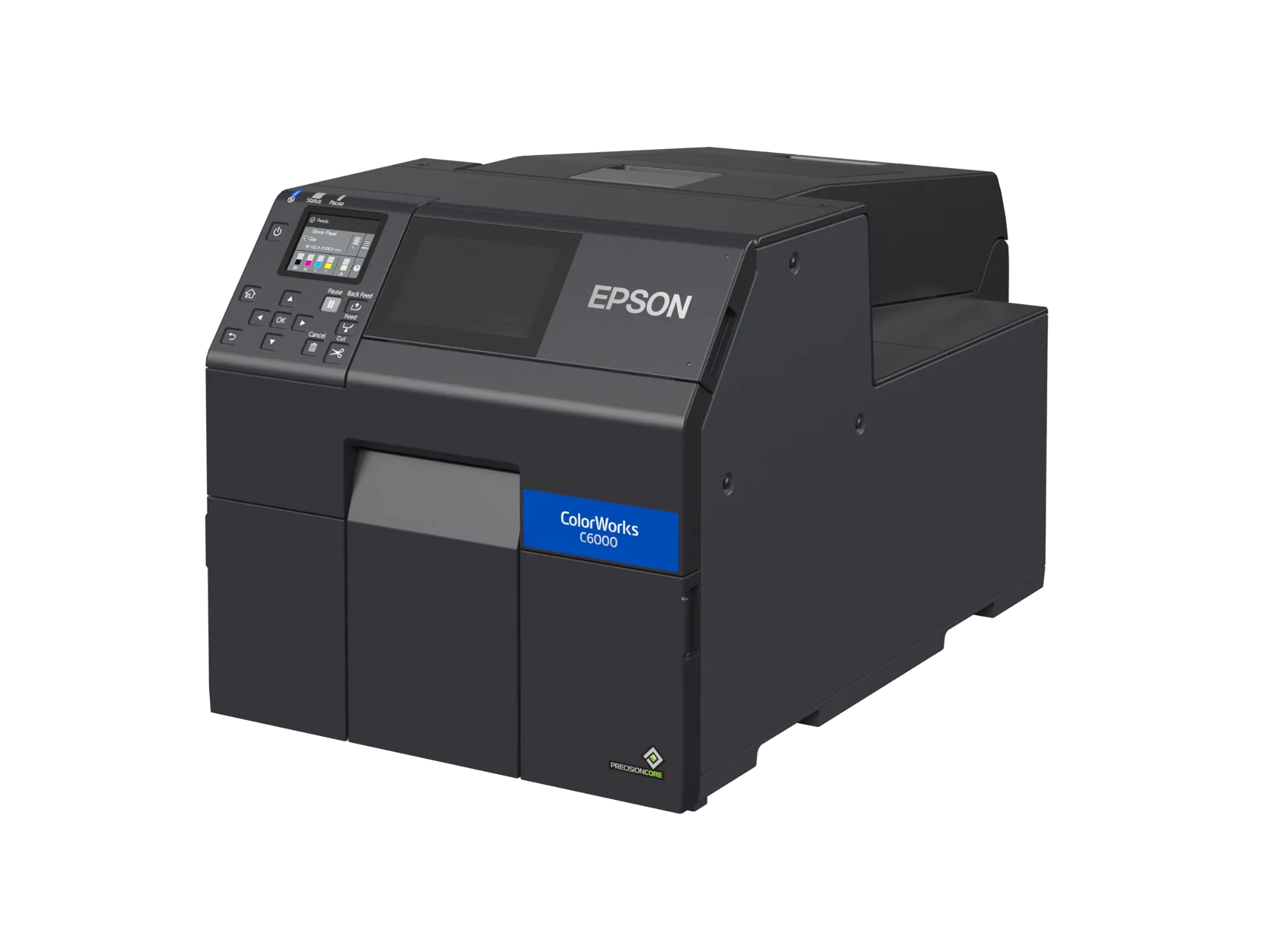
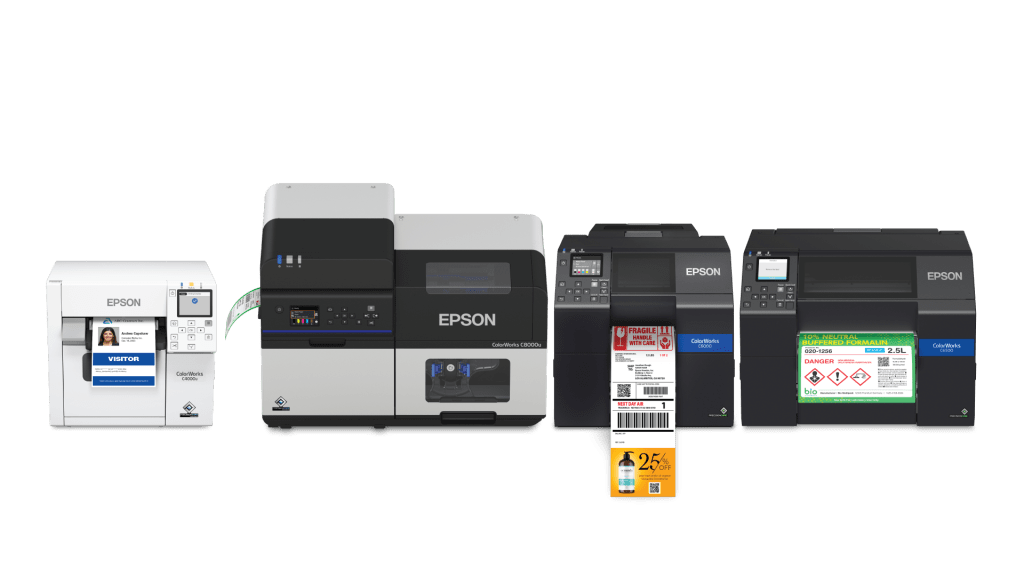
Epson ColorWorks CW-C6000
Four-inch pigment colour printer for operations moving off monochrome thermal transfer.
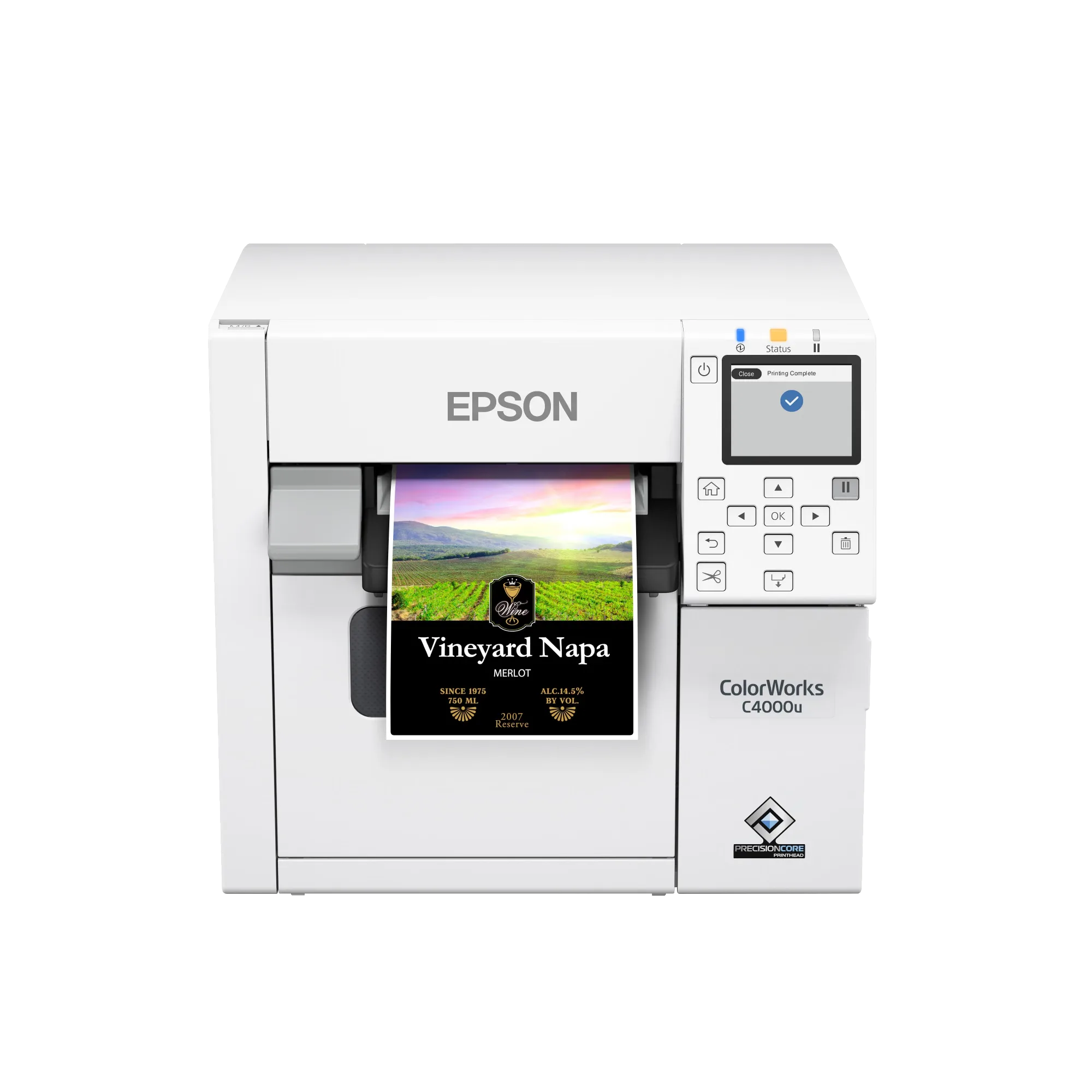
Epson ColorWorks CW-C4000
Compact pigment colour printer, including GHS and BS 5609 chemical labelling.
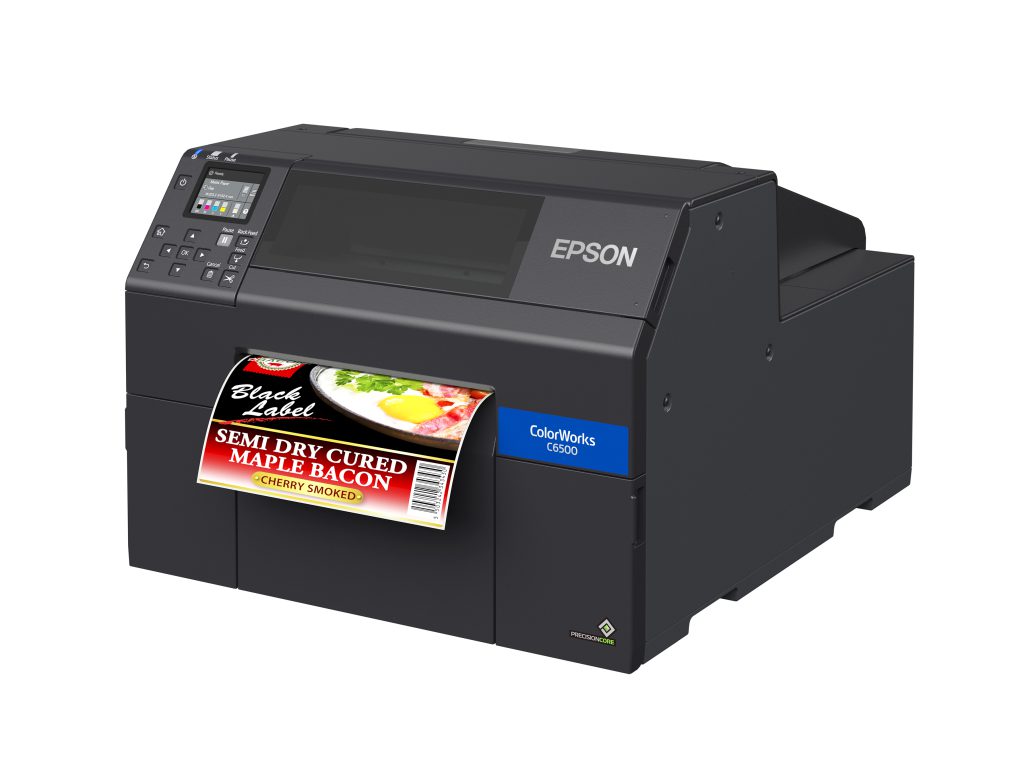
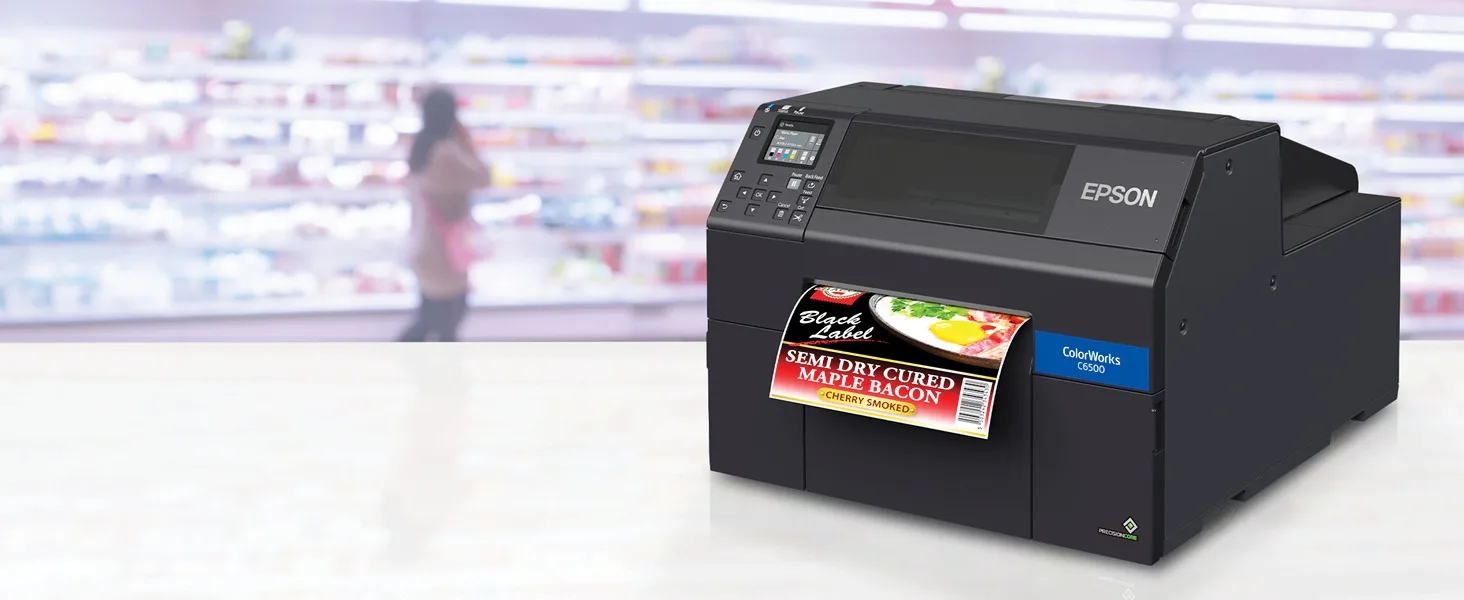
Epson ColorWorks CW-C6500
Wide-format colour printer that replaces preprinted stock in production.
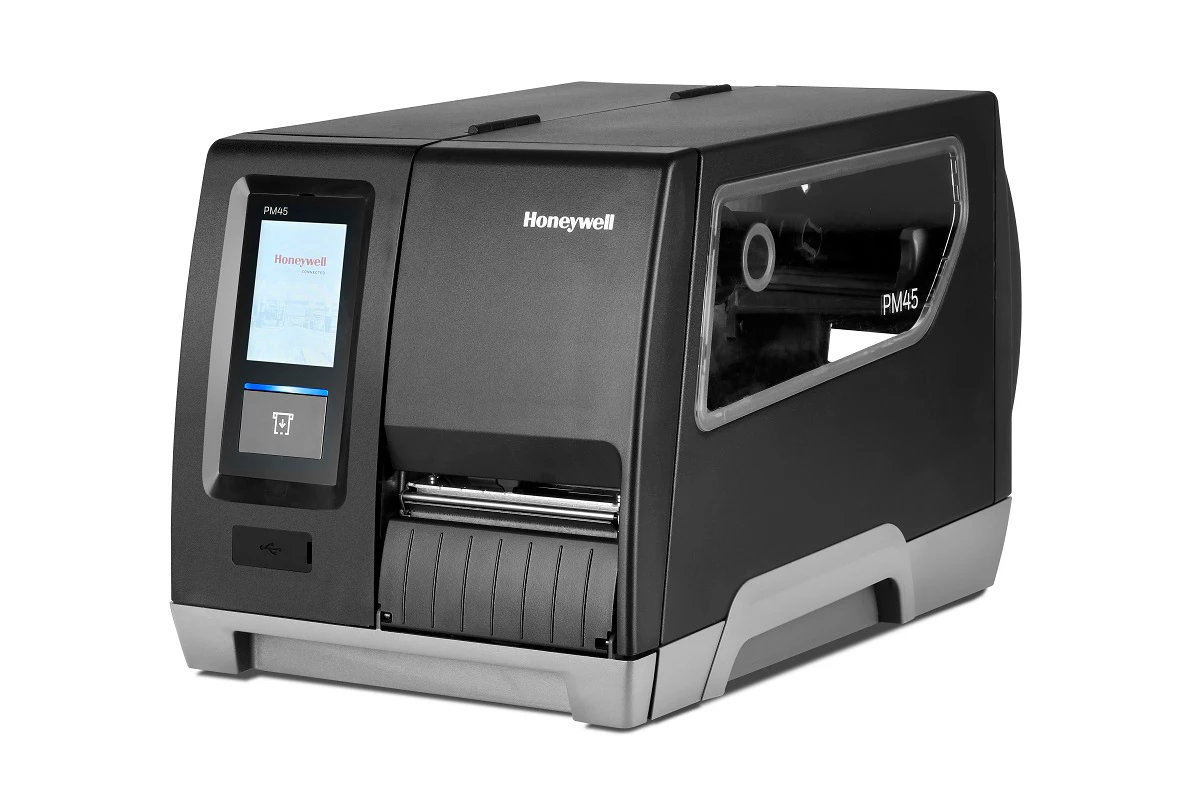
Honeywell PM45 Industrial Printer
Mid-range industrial printer with WWAN connectivity, built for track and trace at scale.
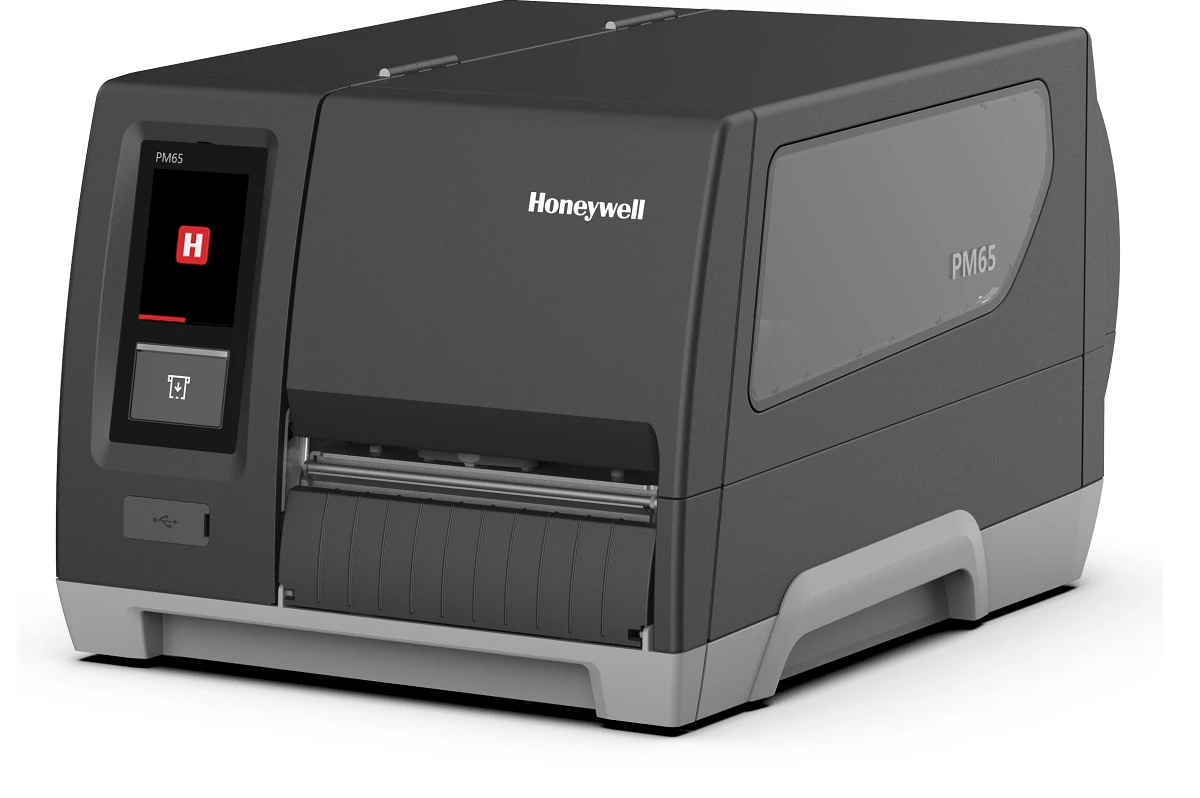
Honeywell PM65 Industrial Printer
The 6 inch PM. Same engine and remote visibility as the PM45, sized for larger labels and tags.
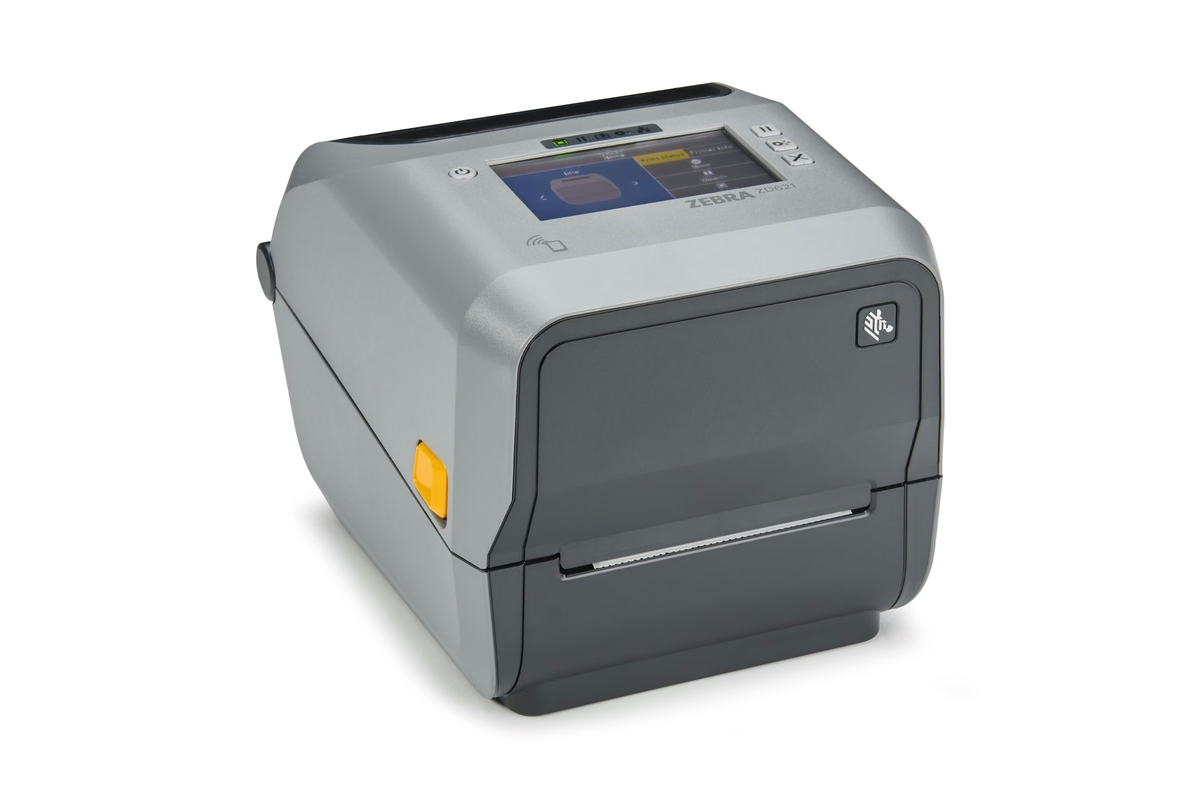
Zebra ZD621
Premium 4-inch desktop printing with industrial-grade quality.
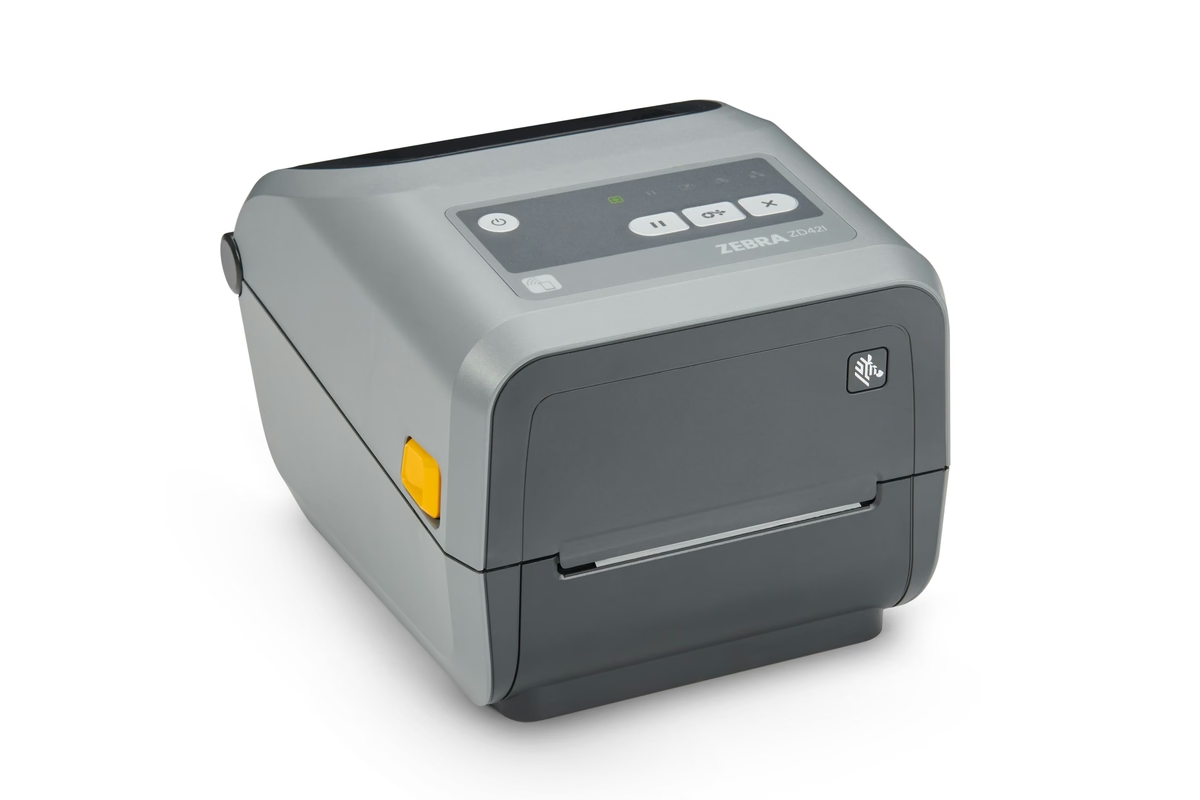
Zebra ZD421
The versatile 4-inch desktop printer built for every business.
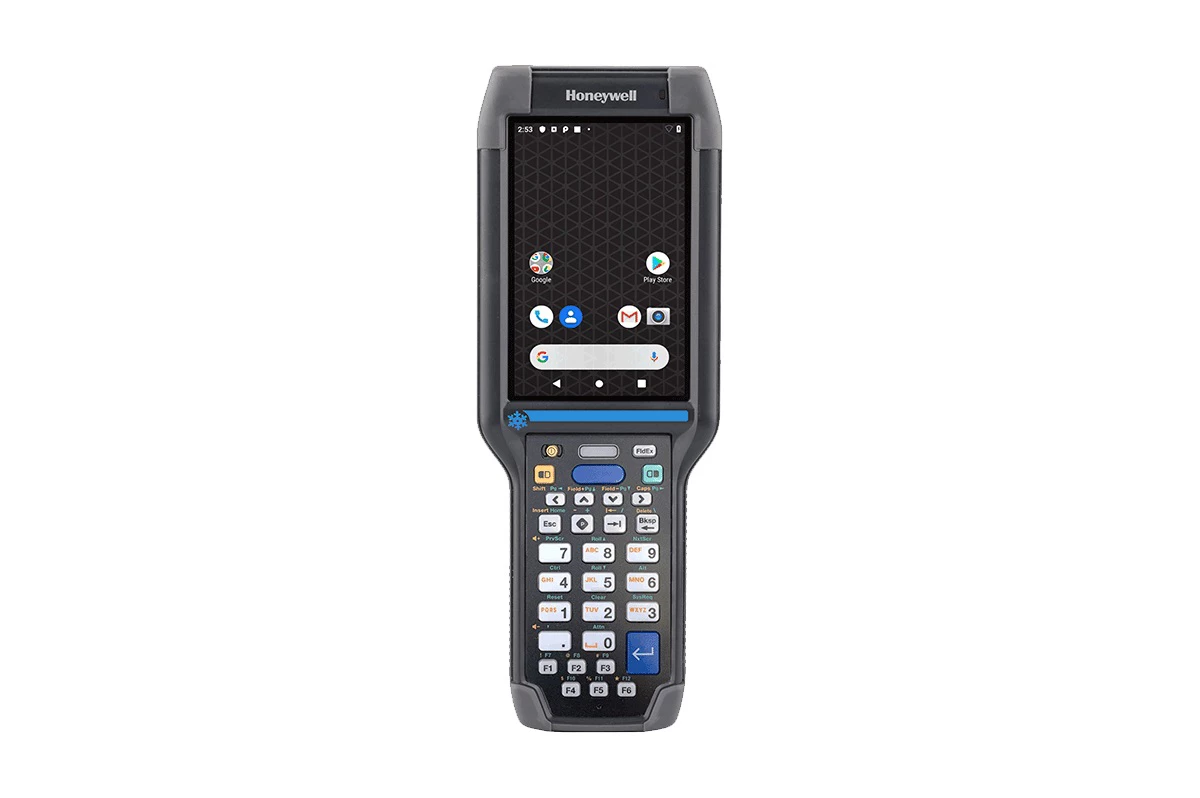
Honeywell CK65 Cold Storage Handheld Computer
The freezer-rated CK65. Same chassis and drop ratings, engineered for sub-zero and cold-chain work.
Les étiquettes qui conviennent
The label is the part of the system that has to go on cold, damp packaging and still be readable at the far end of the cold chain. Getting the stock and adhesive right for the surface and the temperature is what keeps a code scanning after condensation, freezing and washdown.
Food and beverage labels mostly go onto cold, damp or condensing surfaces: chilled corrugate, film, and packaging that has just come out of a cold room. Wet strength and freezer grade stock is what stays on through that, and a general purpose acrylic adhesive is the most common reason a label does not.
Direct food contact is a different job again. It needs a construction rated for that use rather than the same stock as the outer case, and the two are easy to confuse because they sit on the same pallet.
Anything applied into a freezer has to be applied cool, not at room temperature and then chilled.
Où l'identification intervient dans votre journée
Traceability is built at six points between goods-in and the outbound trailer. Miss one and a recall question stops having a short answer.
Goods-in
The supplier lot is captured against the receipt as the pallet comes off the truck. Without it, every downstream code points back to a batch nobody can identify.
Production
The batch is opened and tied to the ingredients and the line that ran it. Without it, the link between what came in and what went out is reconstructed from memory.
Coding
The date and lot code go onto the pack at the line rather than onto a sheet keyed in later. Without it, the pack and the record drift apart.
Verification
The printed code is graded, not just scanned, before the pack leaves the line. Without it, the first verifier to see it belongs to your customer.
Storage
The pallet location is captured as it goes into the cold room. Without it, stock exists in the system but nobody can say which chamber it is in.
Dispatch
The pallet code is read onto the shipment and into the advance notice. Without it, the trace ends at your own dock door.
Les questions qu'on nous pose le plus
These questions come up in almost every food and beverage conversation we have. Short answers first, so you can judge quickly whether what you are looking at is a compliance problem, a print problem, or both.
Does FSMA 204 require us to put a barcode on anything?
No. The rule mandates no technology and no symbology, and the FDA's own summary permits original paper records. What it requires is a traceability lot code, key data elements at critical tracking events, and records producible as an electronic sortable spreadsheet within 24 hours.
Has the FSMA 204 compliance date actually moved to July 2028?
In practice yes, though not by a finalised rule. The FDA published the proposed extension in August 2025 and has not finalised it. The date holds anyway, because Congress has barred appropriated funds from being used to enforce the rule before 20 July 2028.
We only sell in Canada. Does any of this apply to us?
Yes, under different rules. The Safe Food for Canadians Regulations Part 5 requires a lot code on the label of consumer prepackaged food, and records a regulator can import into ordinary software. CFIA is explicit that meeting it does not mean meeting FSMA 204.
Why does our barcode scan here and fail at the grocer?
Because a scanner reports readable and a verifier reports a grade. Retail point of sale has published minimums for module width, quiet zone and print contrast, and a code can sit under those and still scan on a good day with a good reader.
Can we print our labels in colour rather than buying pre-printed stock?
Usually yes, and it removes the minimum order. Pigment ink colour label printers put artwork, allergen panels and variable data down in one pass. The trade-off is that colour models in this range are inkjet, so a durable thermal transfer lot code stays a separate machine.
Will a label that works in our dry warehouse work in the cold room?
Usually not. Condensation, freezing and washdown defeat a general purpose acrylic adhesive, and a label applied at room temperature and then chilled behaves differently from one applied cool. The stock and the adhesive both change, not just one of them.
Lectures connexes
Réservez une visite guidée de votre exploitation
Dites-nous ce que vous utilisez aujourd'hui et à quel moment le registre cesse de correspondre à ce qui s'est réellement passé. Un spécialiste lit votre message, pose les deux ou trois questions qui décident vraiment de la réponse et vous revient avec ce qui changerait, plutôt qu'avec une liste de pièces.
Merci, nous avons reçu votre demande
Un spécialiste vous répondra dans un délai d'un jour ouvrable.
Une erreur s'est produite et vos renseignements n'ont pas été envoyés. Veuillez réessayer dans un instant.